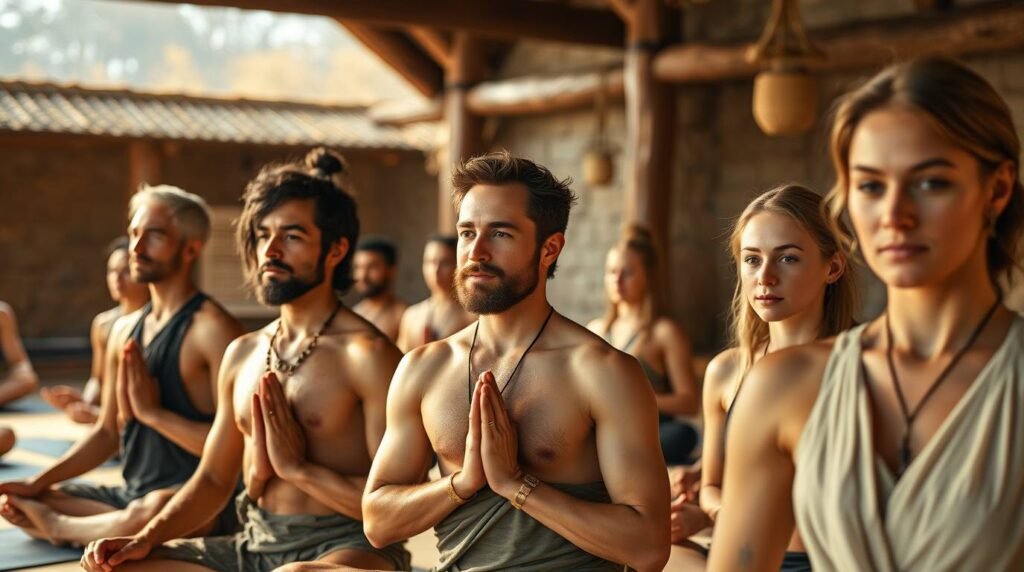
Yoga is more than just a form of exercise—it is a centuries-old practice that nurtures the body, mind, and spirit. Originating in ancient India, yoga has evolved into a global wellness movement that offers physical, mental, and emotional benefits to practitioners of all levels. In this comprehensive guide, we will explore what yoga is, the major types of yoga, and the wide range of benefits it provides. Whether you’re a beginner or looking to deepen your practice, understanding the diversity and power of yoga can transform your life.
What is Yoga?
Yoga is a holistic practice that combines physical postures (asanas), breathing techniques (pranayama), meditation, and ethical principles to create harmony between the body and mind. The word “yoga” comes from the Sanskrit root “yuj,” which means “to join” or “to unite.” Yoga aims to unite the individual self with the universal consciousness.
In modern times, yoga is widely practiced as a form of exercise and stress relief, but its roots extend far deeper. It is both a philosophy and a lifestyle that promotes balance, self-discipline, and mindfulness.
Major Types of Yoga
Different types of yoga cater to different needs. Some styles focus more on physical postures and fitness, while others emphasize meditation and breathing. Here’s a breakdown of the most popular types of yoga:
1. Hatha Yoga
Overview:
Hatha yoga is the foundation of all yoga styles and is best for beginners. It involves basic postures and breathing exercises at a slow pace.
Benefits:
- Improves flexibility and posture
- Reduces stress
- Enhances relaxation
2. Vinyasa Yoga
Overview:
Vinyasa yoga is a dynamic and flowing style that links breath with movement. It’s more vigorous and is great for building strength and stamina.
Benefits:
- Burns calories
- Improves cardiovascular health
- Builds lean muscle
3. Ashtanga Yoga
Overview:
A structured and physically demanding style, Ashtanga yoga follows a specific sequence of postures and is ideal for those who enjoy routine and discipline.
Benefits:
- Increases flexibility and strength
- Boosts endurance
- Enhances focus and discipline
4. Iyengar Yoga
Overview:
Iyengar yoga emphasizes precision, alignment, and the use of props like blocks and straps. It is suitable for all levels and particularly helpful for those recovering from injuries.
Benefits:
- Improves posture
- Enhances body awareness
- Provides therapeutic benefits
5. Bikram Yoga (Hot Yoga)
Overview:
Bikram yoga is practiced in a heated room and consists of a series of 26 postures and two breathing exercises.
Benefits:
- Promotes detoxification
- Increases flexibility
- Burns calories quickly
6. Kundalini Yoga
Overview:
Kundalini yoga combines dynamic movements, breathing exercises, chanting, and meditation to awaken spiritual energy.
Benefits:
- Enhances mental clarity
- Reduces anxiety
- Awakens spiritual awareness
7. Yin Yoga
Overview:
A slow-paced style where poses are held for several minutes, Yin yoga targets deep connective tissues and fascia.
Benefits:
- Increases flexibility
- Releases tension
- Calms the nervous system
8. Restorative Yoga
Overview:
Restorative yoga uses props to support the body in passive poses, promoting deep relaxation.
Benefits:
- Reduces stress and fatigue
- Improves sleep quality
- Enhances recovery
General Benefits of Yoga
1. Physical Benefits
- Increases flexibility and strength
- Improves balance and coordination
- Boosts respiratory and cardiovascular health
- Enhances metabolism and aids in weight loss
- Alleviates chronic pain
2. Mental Benefits
- Reduces anxiety and depression
- Improves concentration and mental clarity
- Enhances mood and emotional regulation
- Promotes mindfulness and inner peace
3. Emotional and Spiritual Benefits
- Increases self-awareness
- Builds emotional resilience
- Encourages compassion and empathy
- Strengthens the mind-body connection
Yoga for Specific Needs
Yoga for Women
- Supports hormonal balance
- Eases menstrual discomfort
- Aids in fertility and prenatal care
Yoga for Seniors
- Enhances mobility
- Prevents falls
- Reduces joint pain
Yoga for Beginners
- Focus on foundational poses
- Emphasizes safe alignment
- Builds confidence gradually
How to Start a Yoga Practice
- Choose the Right Style: Select a yoga type that aligns with your fitness goals and lifestyle.
- Find a Qualified Instructor: Proper guidance ensures safety and effectiveness.
- Start Slowly: Begin with beginner classes and progress gradually.
- Create a Consistent Routine: Aim to practice 3–5 times a week.
- Equip Yourself: Get a quality yoga mat, comfortable clothing, and optional props.
- Set Intentions: Focus on personal growth rather than perfection.
Common Yoga Myths Debunked
- You need to be flexible to do yoga: Flexibility is a result, not a requirement.
- Yoga is only for women: Yoga is beneficial for all genders and ages.
- Yoga is just stretching: It involves strength, focus, and deep breathing.
- You need a lot of time: Even 10–15 minutes a day can be transformative.
Conclusion: Embrace the Power of Yoga
Yoga is a transformative practice that goes far beyond physical fitness. It offers a pathway to inner peace, emotional stability, and improved overall health. With so many types of yoga to choose from, anyone can find a style that suits their individual needs and goals. Whether you’re looking to improve flexibility, reduce stress, or embark on a spiritual journey, yoga has something valuable to offer.
Embrace yoga as a lifestyle—not just a workout—and experience the long-lasting benefits that come with consistent practice.